Catch +50% more relevant issues than traditional manual reviews
Join dozens of firms across the country using Buildcheck
June 19, 2025
10
min read
Vivmark Residential catches life-safety gaps before move-in day
Design errors silently accumulate in construction documents until they emerge as schedule delays, budget overruns, and compromised resident experiences.
After conducting a strategic review of Buildcheck across multiple project types and stages, its value became abundantly clear. There is a justified business case to use Buildcheck on all our projects.
Haig Seferian
Senior PM, Construction
Vivmark Residential
Overview
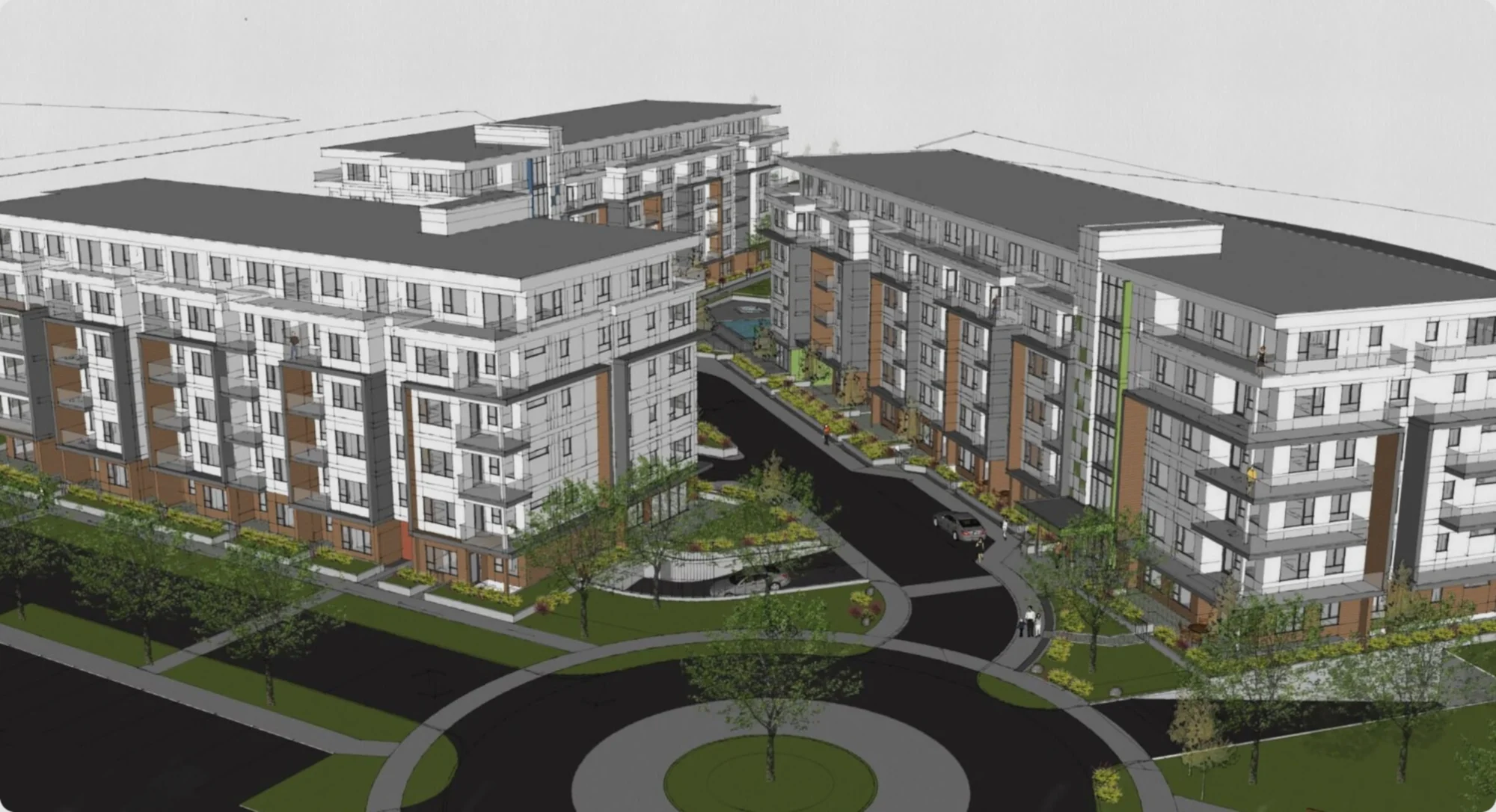
Vivmark Residential is a leading multifamily REIT, formed in 2026 through the merger of AvalonBay Communities and Equity Residential. By partnering with Buildcheck, Vivmark Residential is embracing AI-powered solutions to improve design review processes, identify potential issues early, and ultimately deliver more efficient and cost-effective developments for their residents.
Challenge
The 2-phase mid-rise development required comprehensive design review across multiple disciplines and stakeholders. Traditional manual reviews missed critical issues, and the team needed a more efficient method to reduce risk and make better use of time and capital.
{{feedback-1}}
Solution
Buildcheck transformed the design review process by automating detection of errors, omissions and inconsistencies across all drawings; centralizing collaboration between project stakeholders in a single, intuitive platform; standardizing workflows to ensure consistent quality regardless of project complexity; and accelerating approvals by reducing review cycles and eliminating redundant meetings.
{{feedback-2}}
Where the value materialized
Every missed issue in a drawing becomes a surprise expense on-site. Buildcheck helps us reduce risk and make better use of our time and capital.
Joe Kirchofer
SVP, Northern California
Vivmark Residential
Buildcheck finds more issues, faster than we can through traditional means. With the intuitive user interface, we saw a lot of consultant engagement.
Connor Marshall
Project Manager
Vivmark Residential
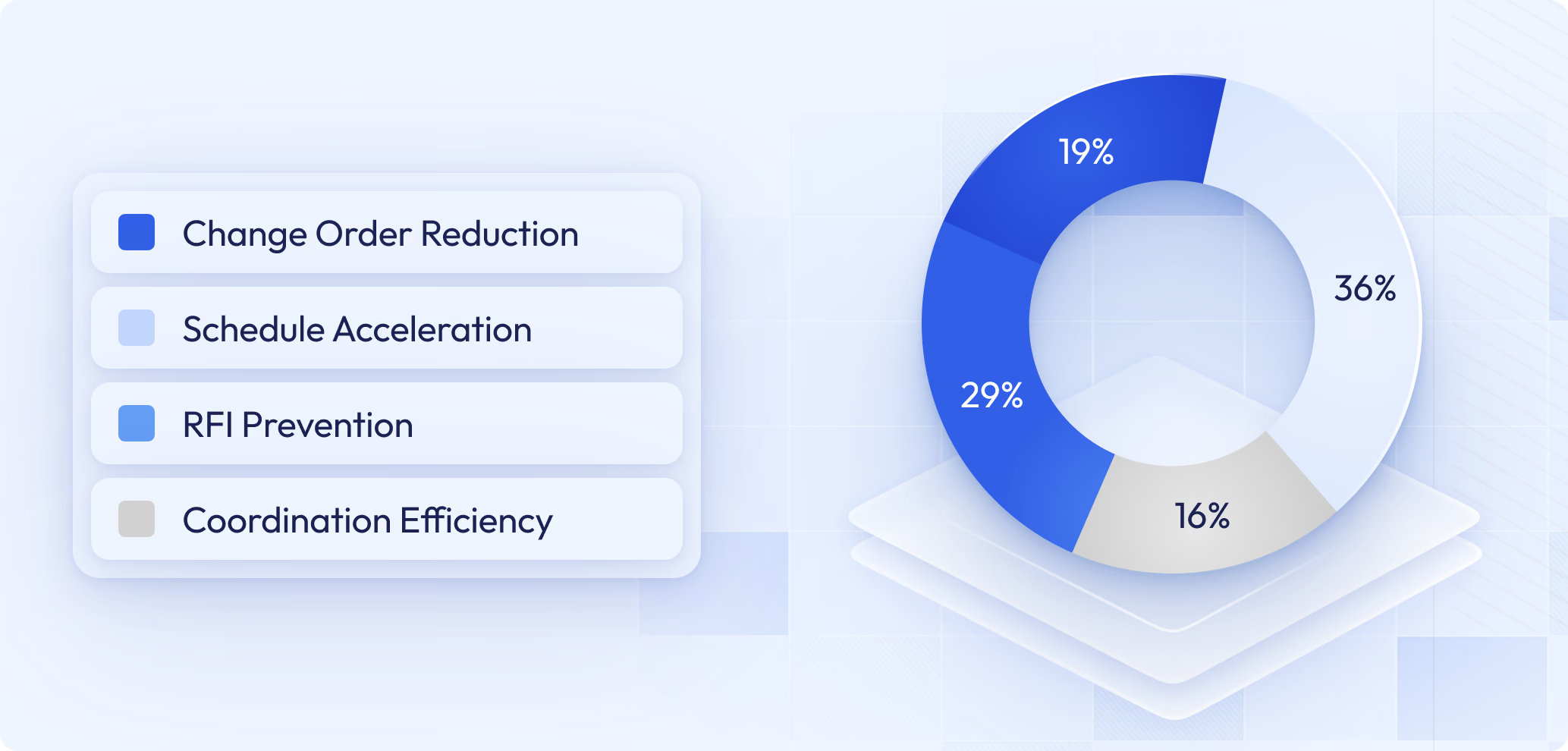
Schedule acceleration
36
%
Each prevented design error eliminates cascading delays from RFI cycles, municipal reviews, and designer revisions. One phase of the project was delivered up to 33 days earlier, while the other was delivered up to 22 days earlier, accelerating time-to-revenue.
Example:
Identified multiple critical life safety issues including fire-rated walls incorrectly marked in life safety documentation, missing fire rating designations, unverifiable wall ratings, and overrated vestibule doors. This coordination issue would have delayed certificate of occupancy inspections, postponing resident move-ins and initial rental income.
RFI prevention
29
%
Each detected issue eliminates documentation overhead and coordination delays. Vivmark Residential avoided between 48–80 RFIs per project, maintaining development momentum and preventing occupancy delays, saving $67,600–$113,100 by avoiding these RFIs.
Example:
Identified multiple electrical power connection omissions where motorized dampers, exhaust fans, water heaters, and heat pumps lacked panel circuit assignments or tags. These issues would have generated numerous RFIs during MEP installation, potentially delaying building commissioning and occupancy.
Change order reduction
19
%
Example:
Detected wall layout conflicts between structural and architectural plans that could have resulted in costly field modifications and change orders, potentially compromising garage layouts and reducing overall marketability.
Coordination efficiency
16
%
Teams spend less time in meetings and issue resolution, redirecting skilled labor to value-generating activities. Vivmark Residential avoided $22,200–$37,200 in staff hours per project through improved coordination.
Example:
Caught multiple diffuser location conflicts where mechanical plans and reflected ceiling plans showed inconsistent diffuser placements across all units, preventing aesthetic compromises and resident comfort issues.
Impact
These figures represent conservative estimates confirmed by Vivmark Residential’s personnel. Not quantified: debt-servicing efficiencies, reduced warranty claims, improved reputation, and long-term asset performance.