AI Design Reviews

Computer vision that reads the drawings, not just the text
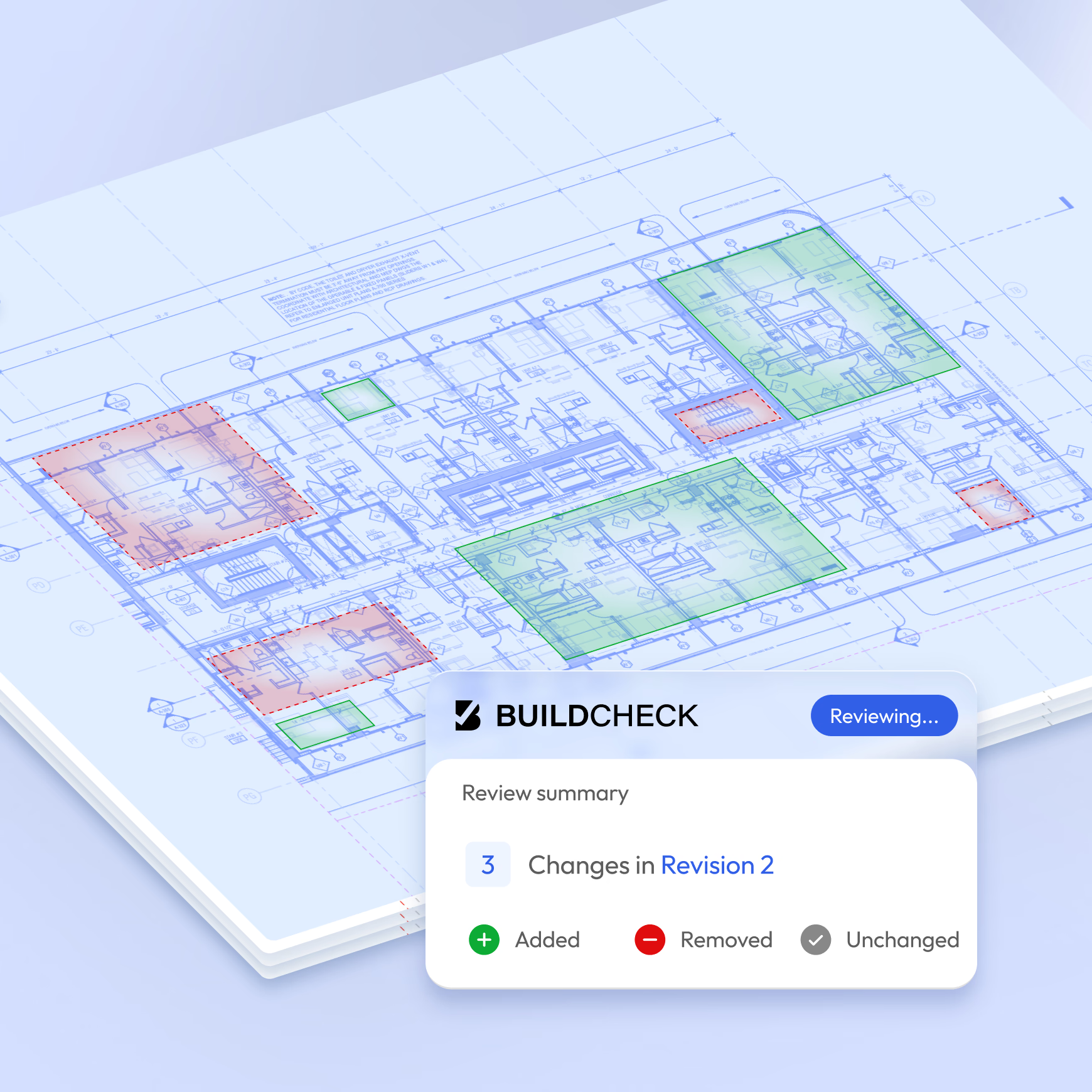
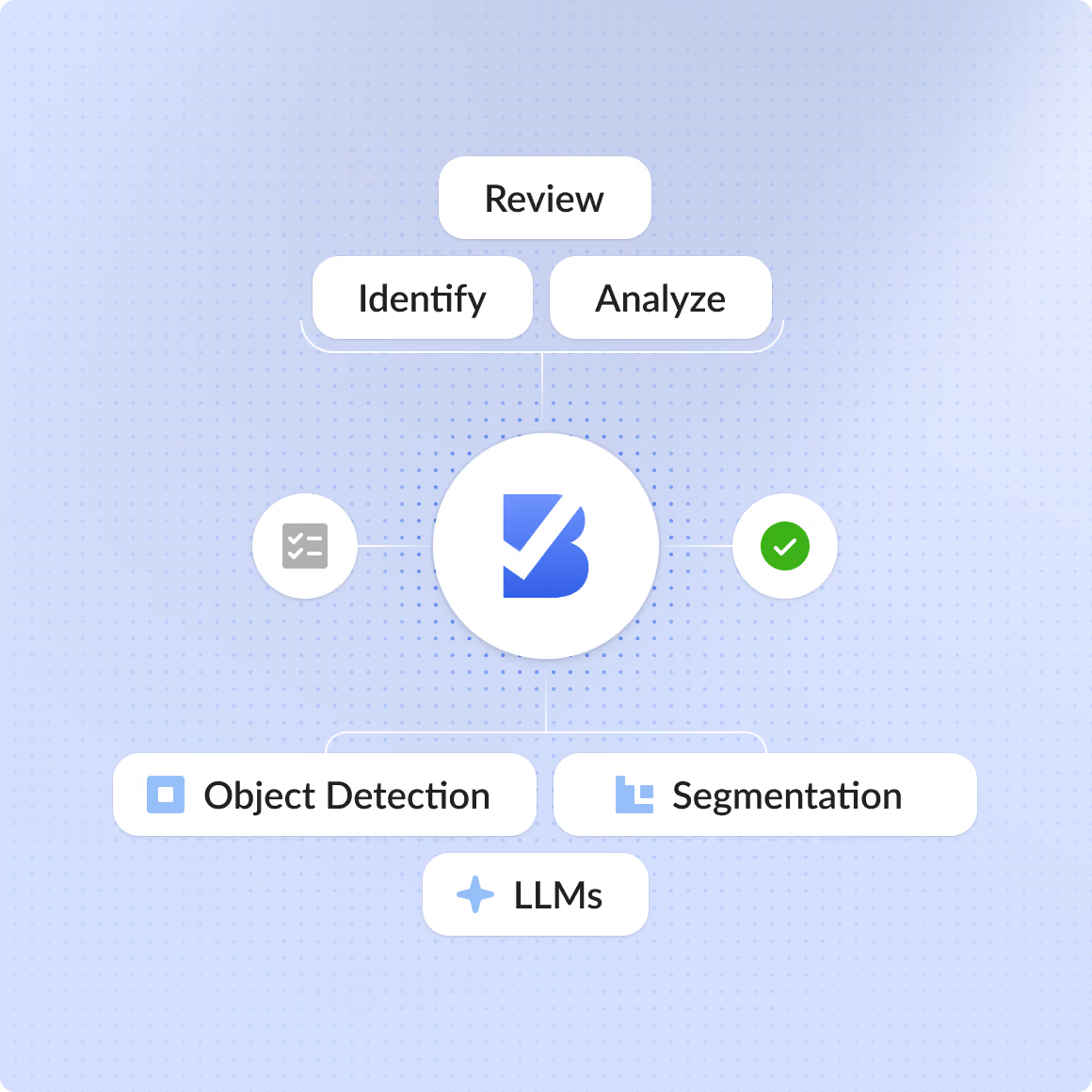
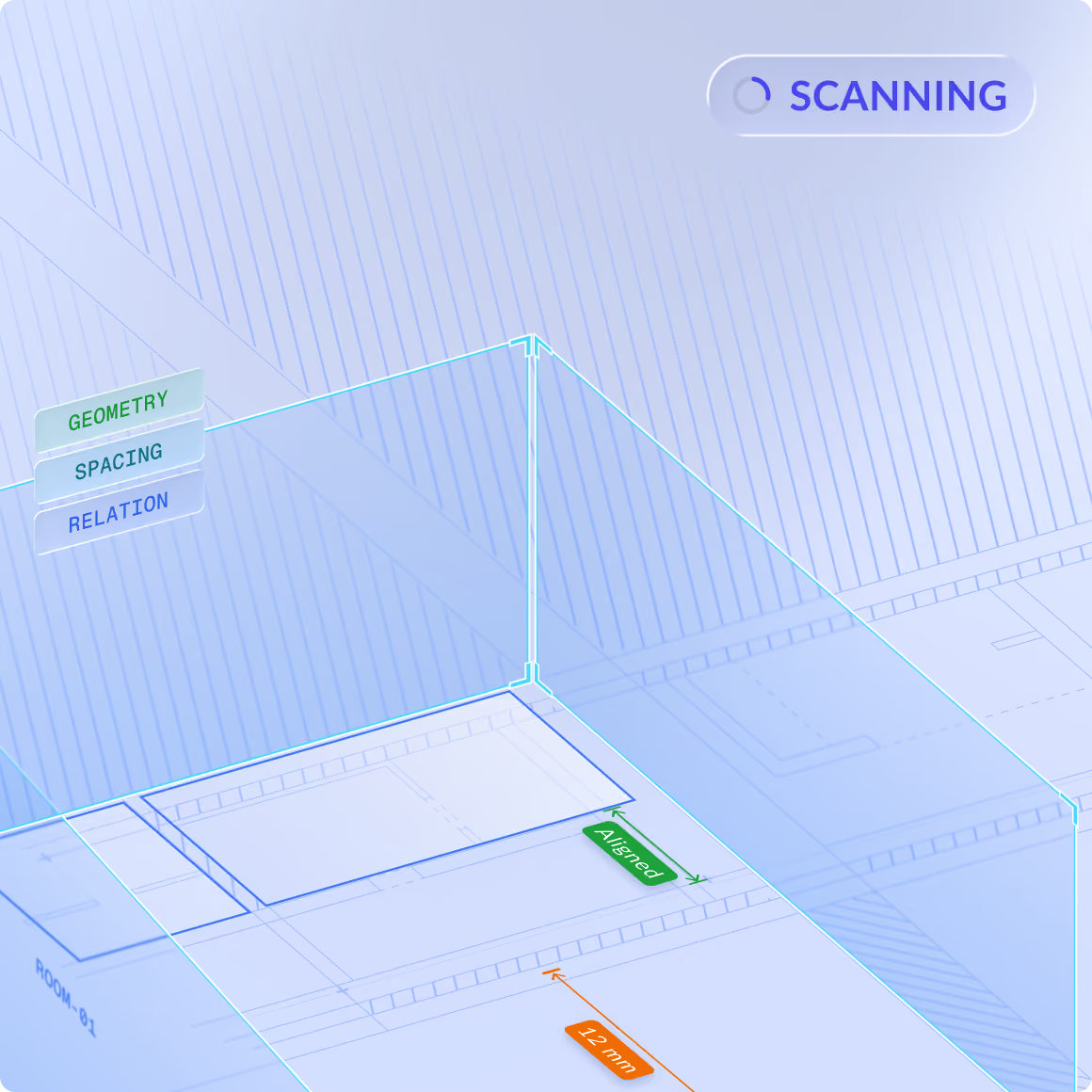
Components, segments, geometry, dimensions, spatial relationships — the way a reviewer does.
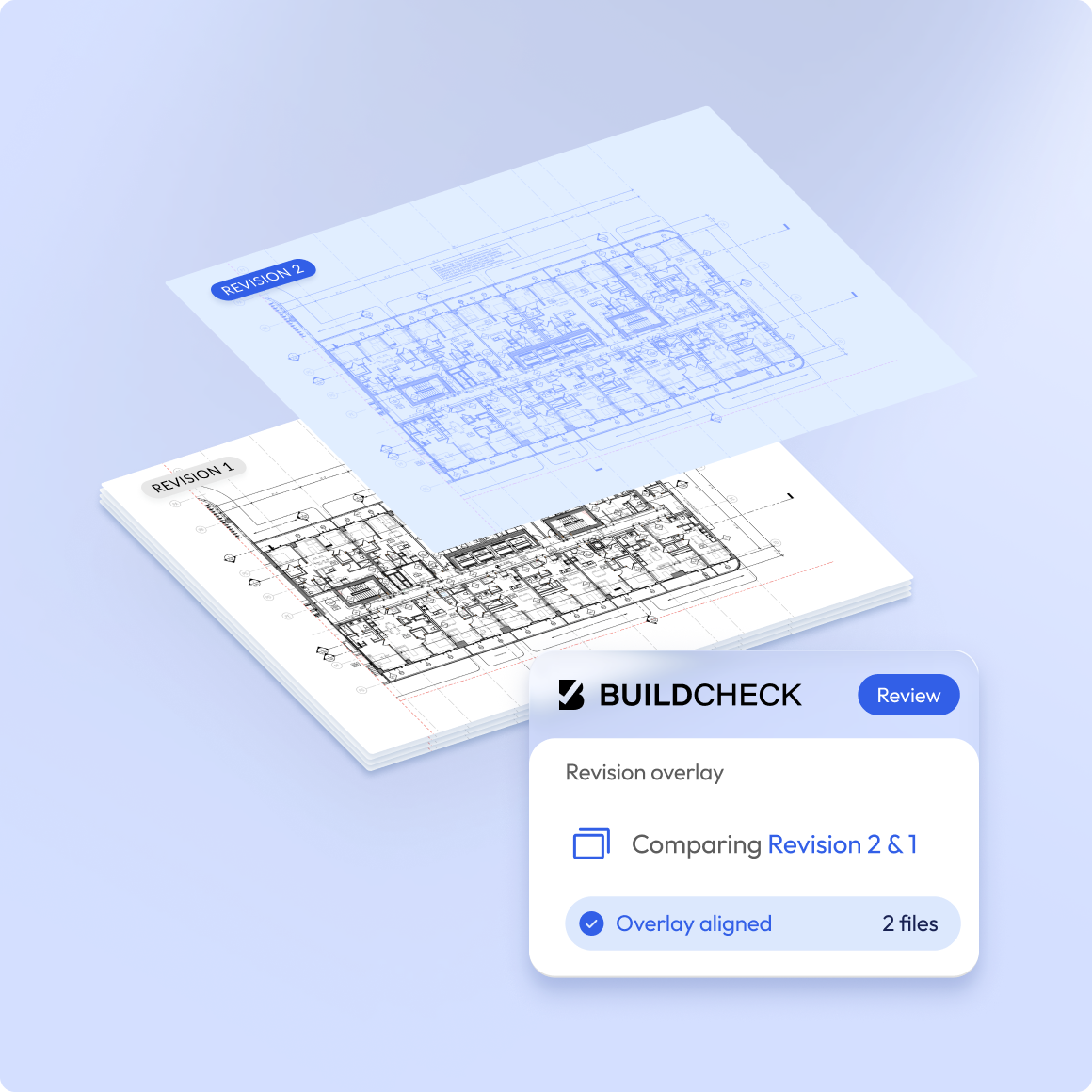
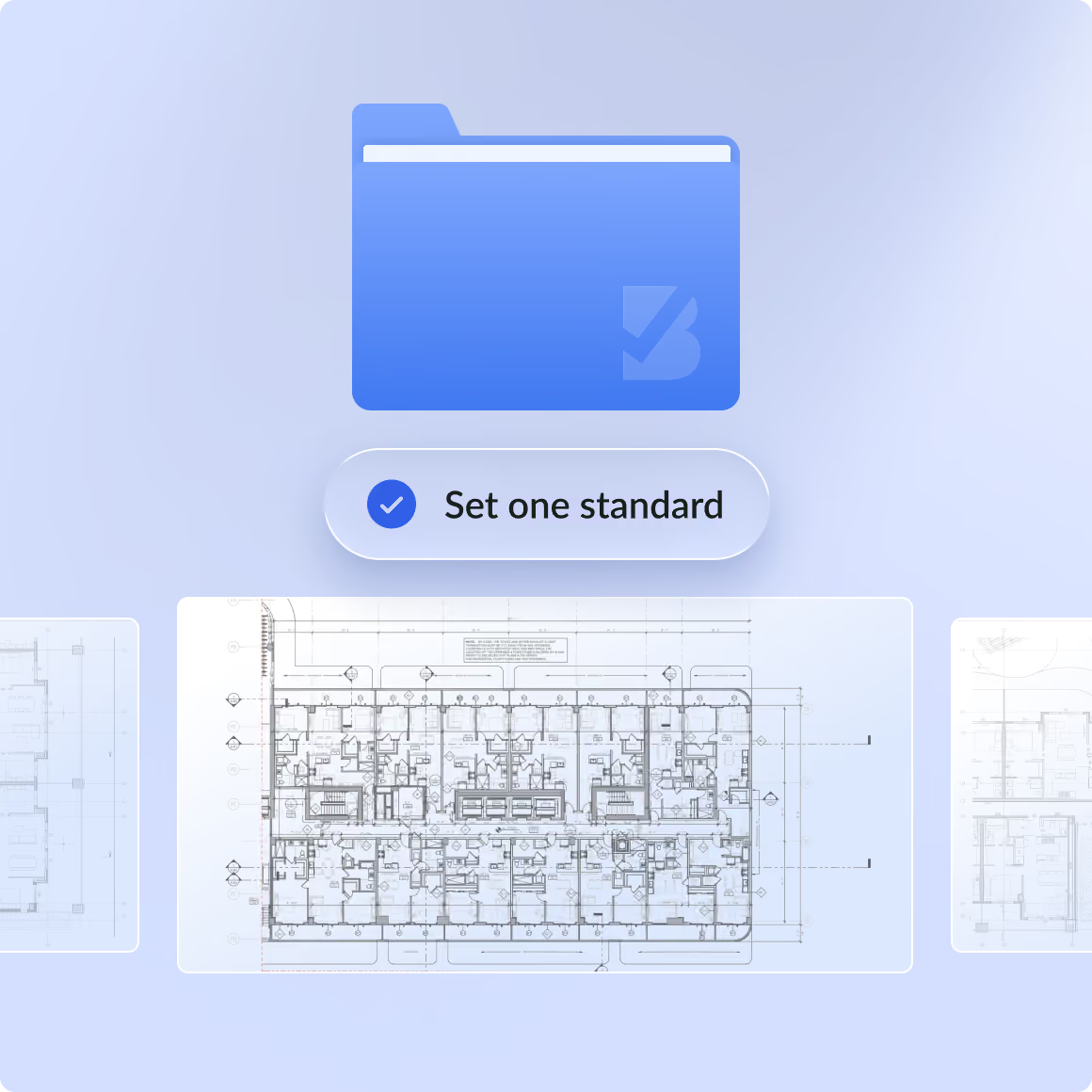
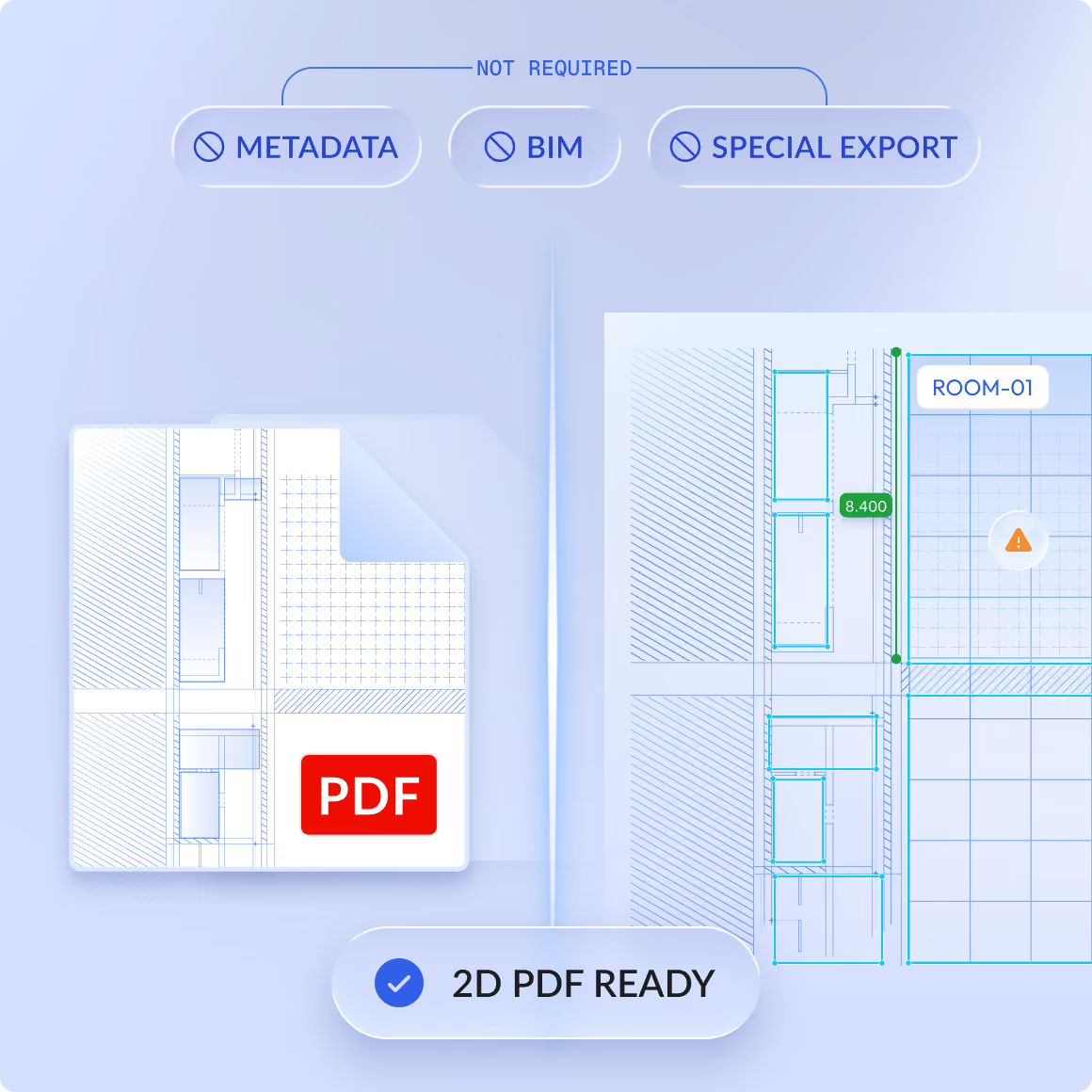
It works from ordinary 2D PDFs, with no BIM model, metadata, or special export required.
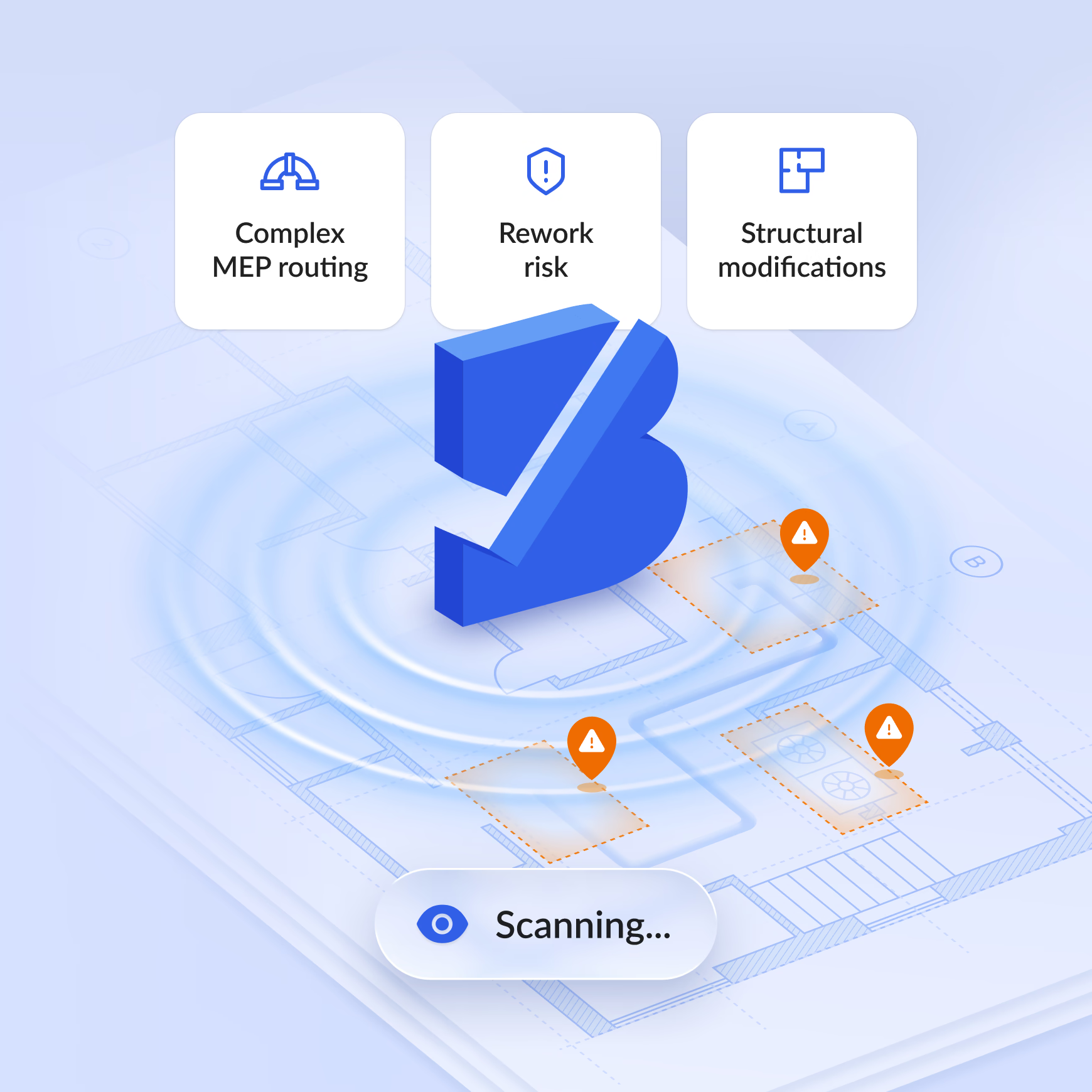
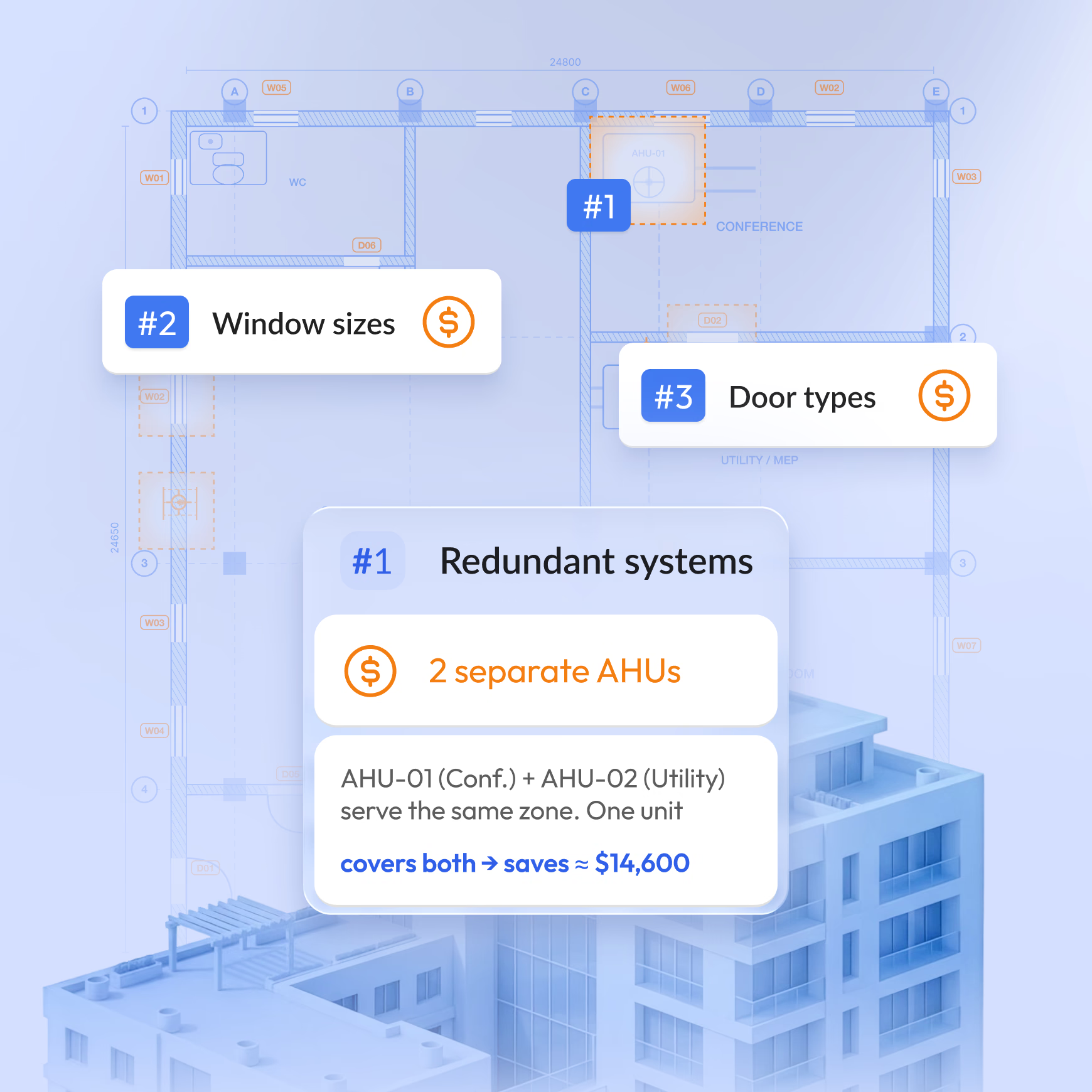
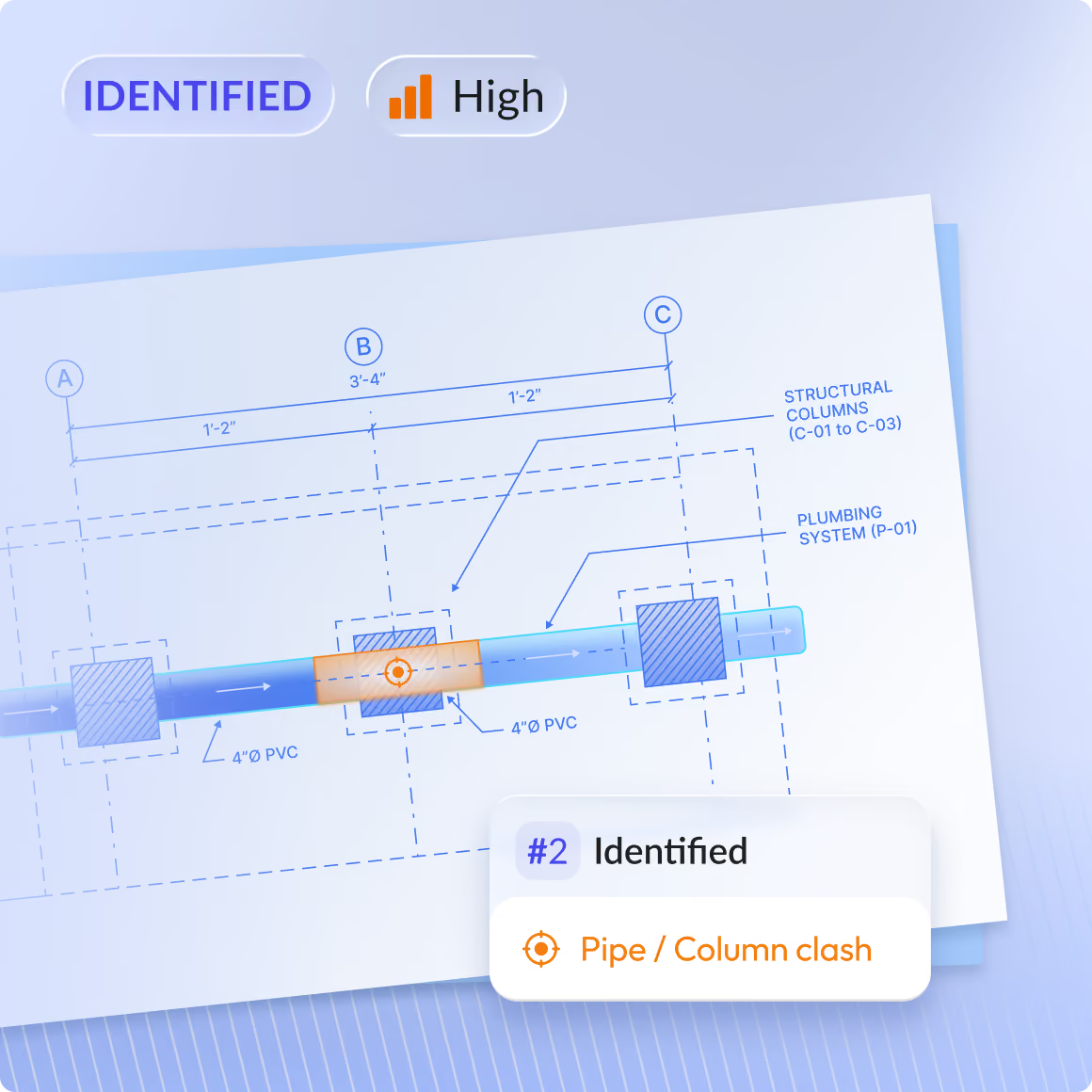
Catches things a text-based AI structurally can't, like a pipe running through a column.
Four kinds of checks
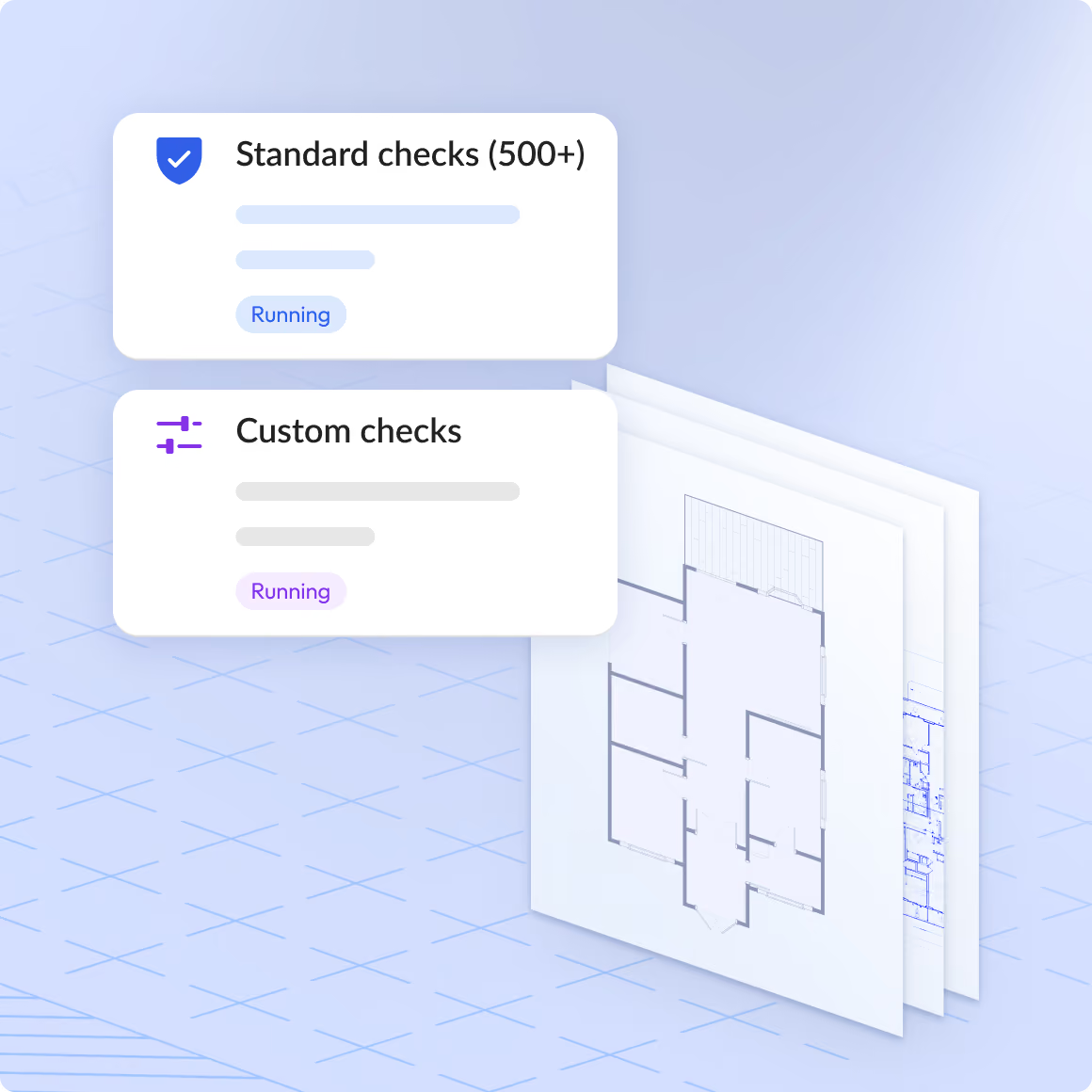
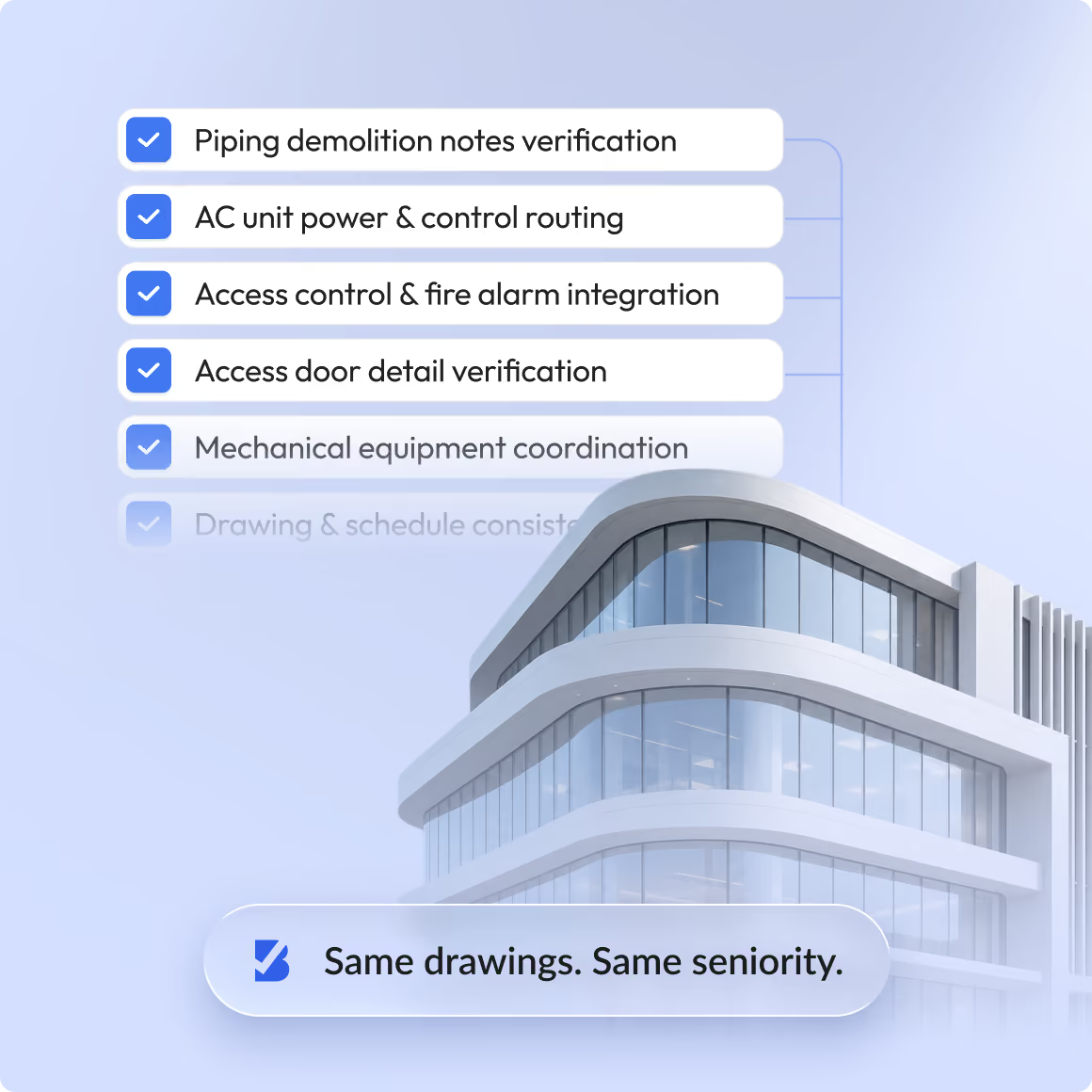
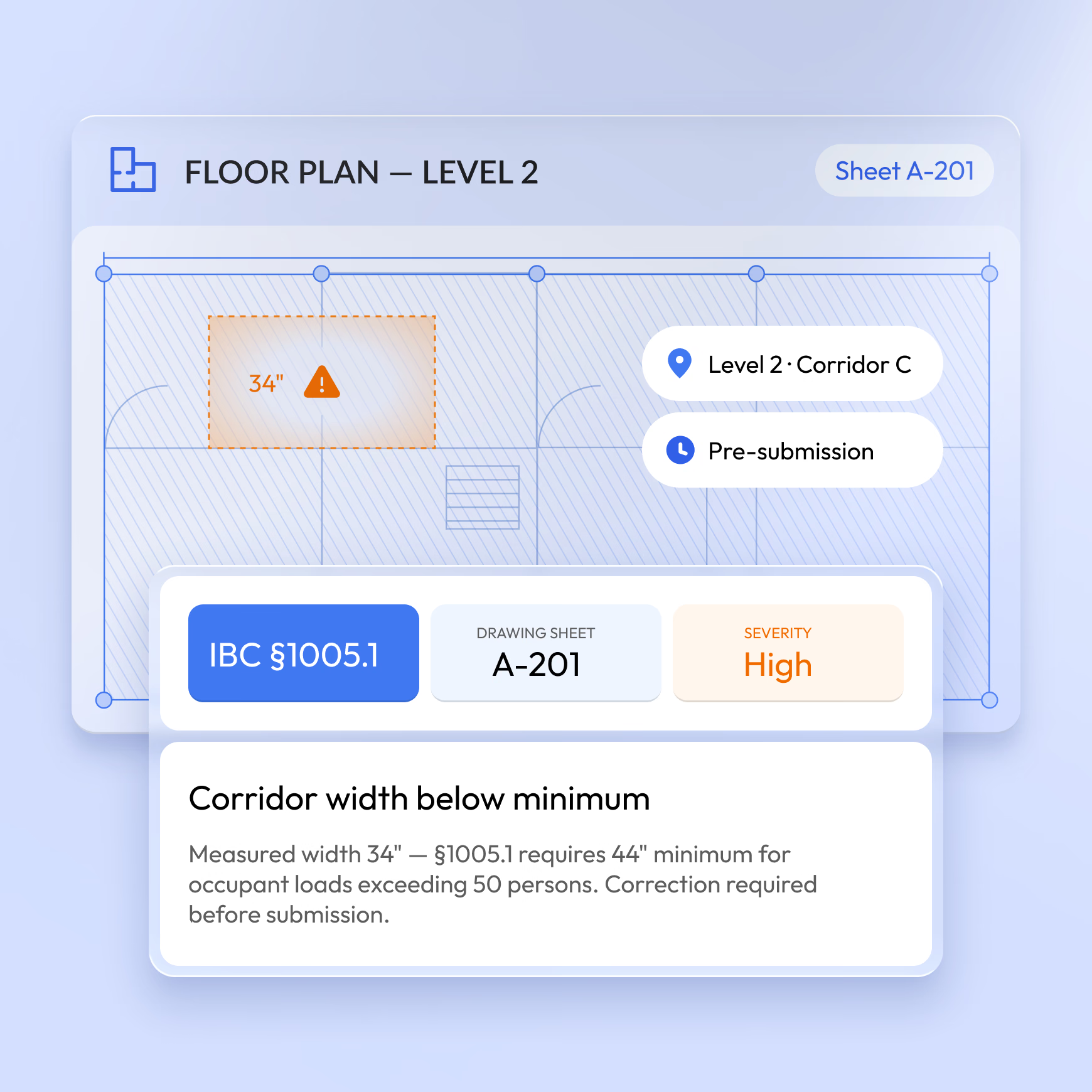
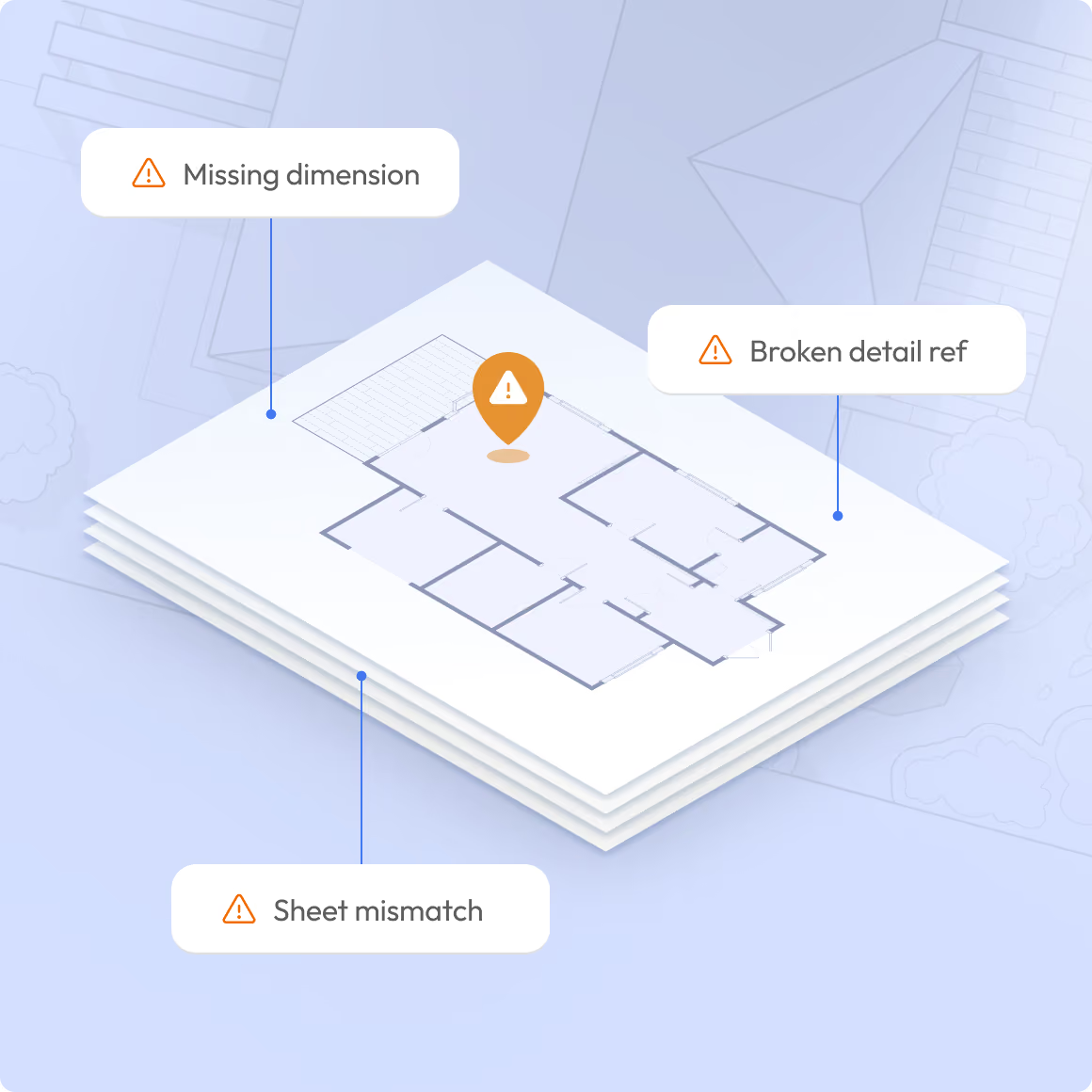
Drawing health: missing tags and dimensions, sheet index mismatches, broken detail references.
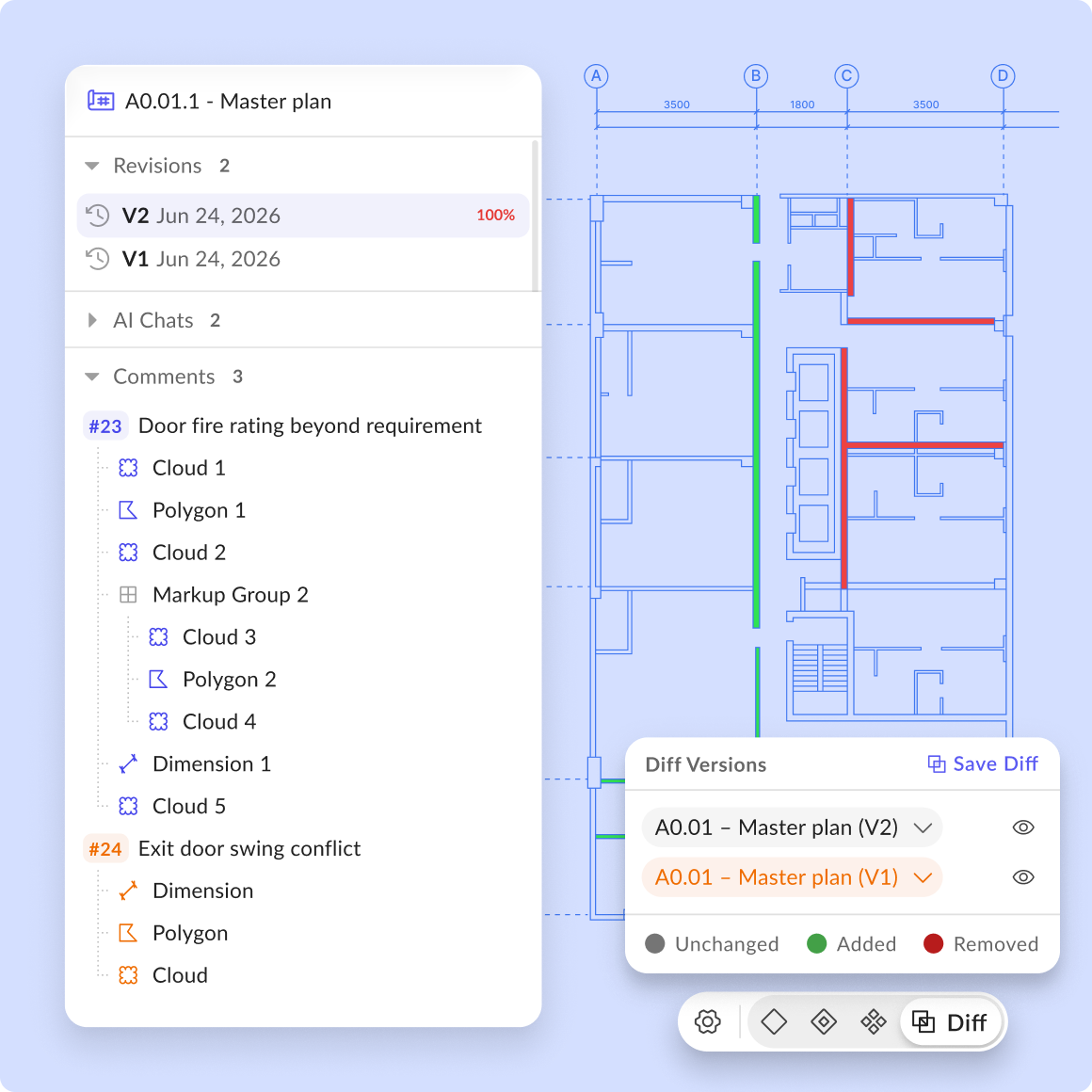
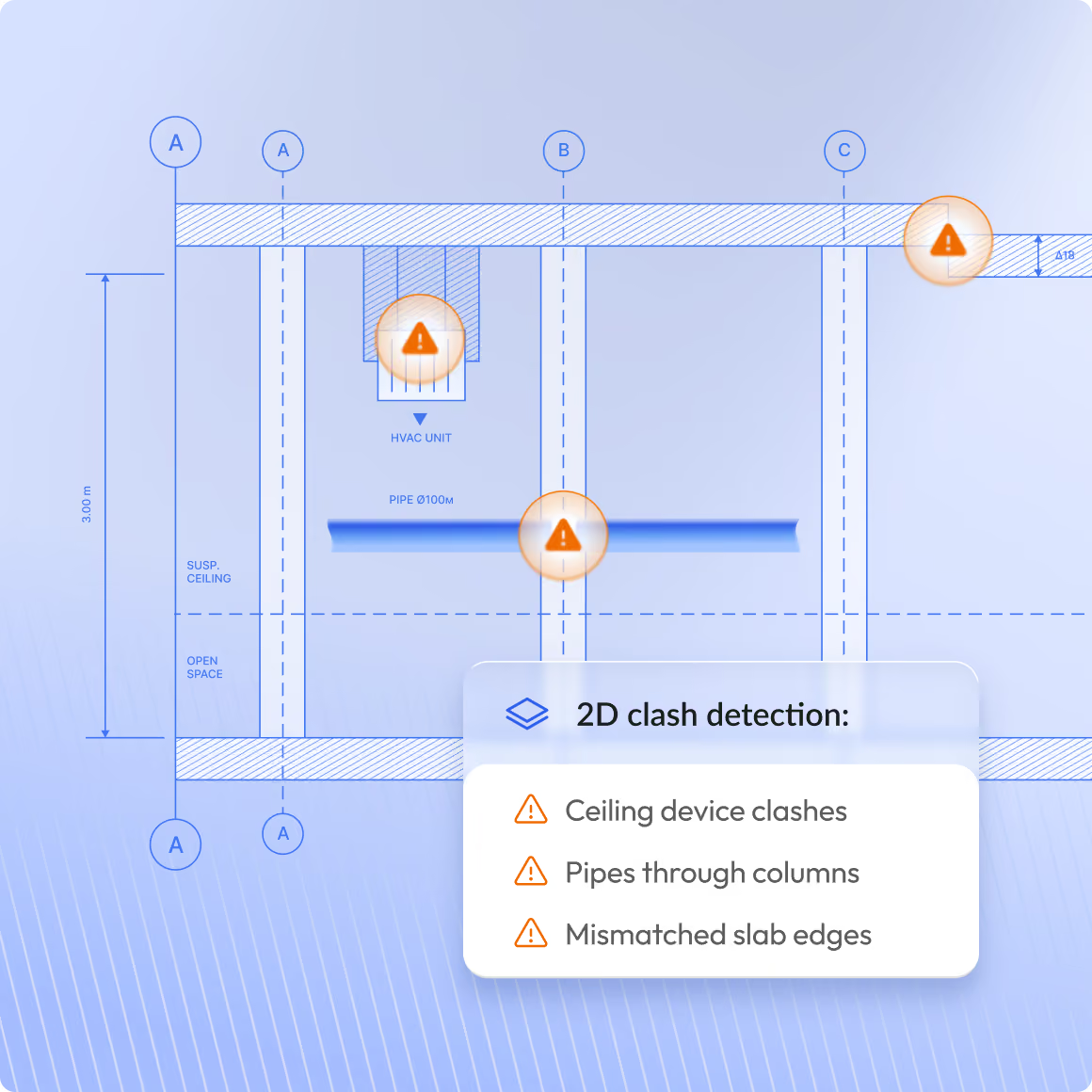
2D clash detection: ceiling device clashes, pipes through columns, mismatched slab edges.
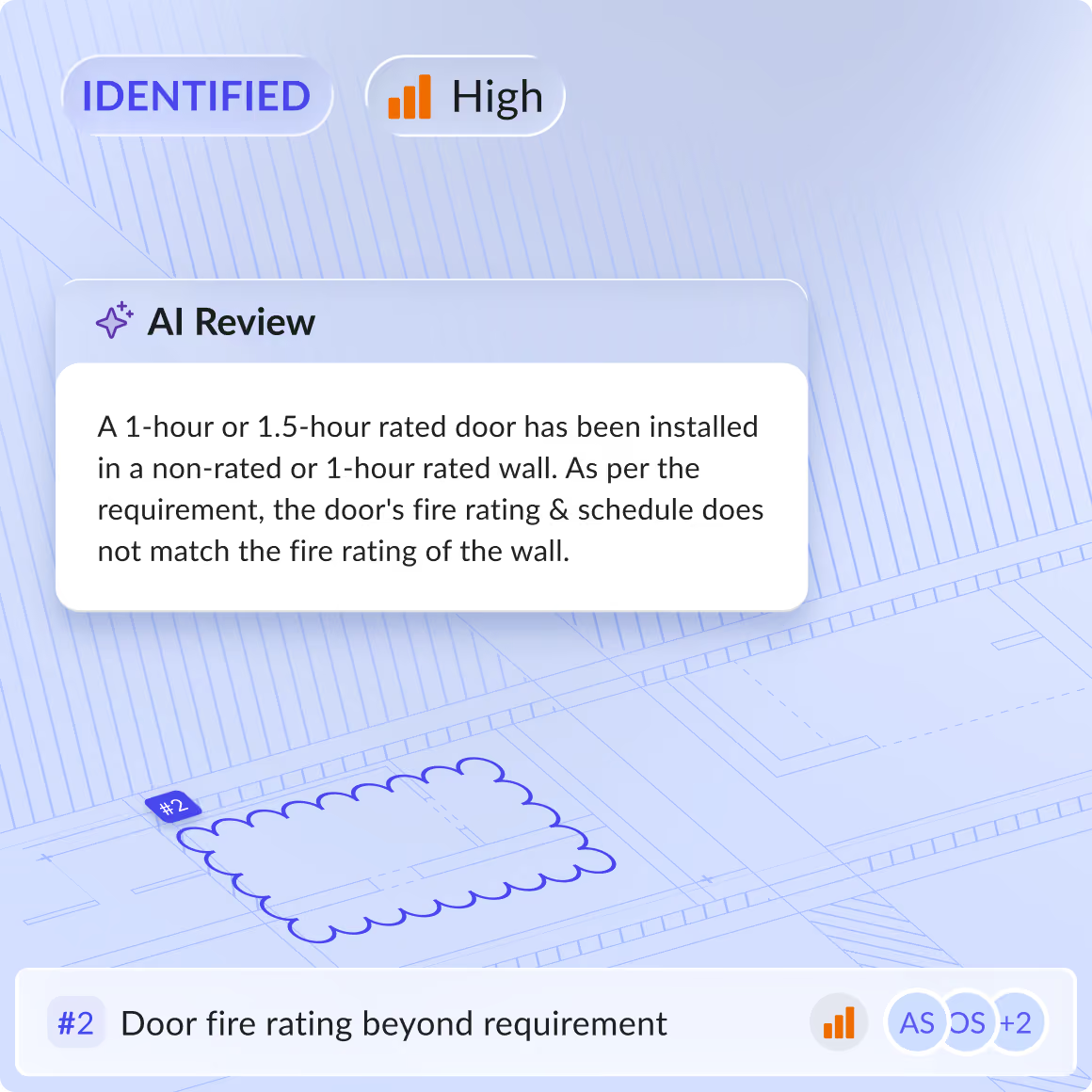
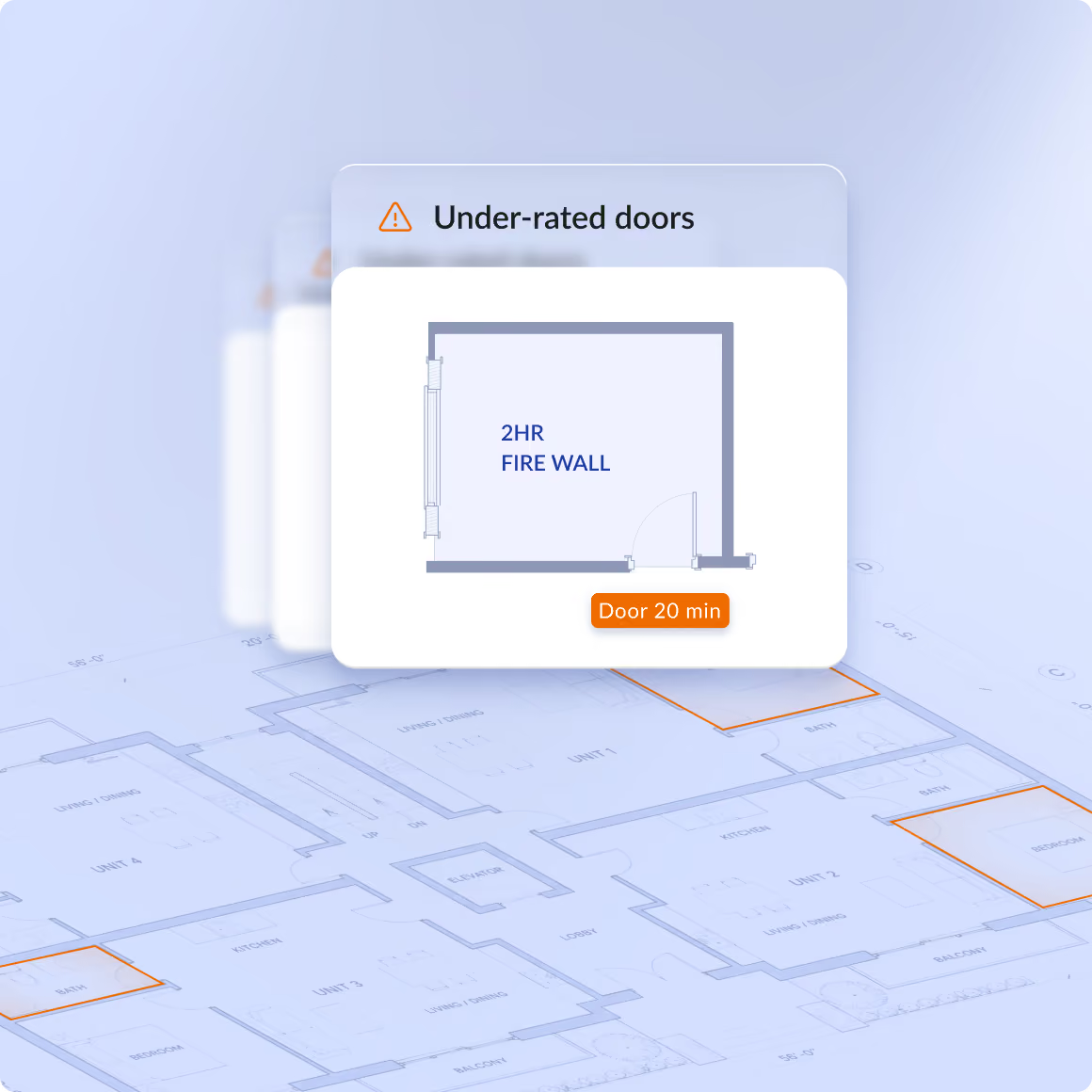
Omissions and logical rules: missing power to pumps, under-rated doors in fire-rated walls, electrical panels that disagree between the floor plan and the single-line diagram.
Spec-to-drawing checks: flags where a drawing contradicts the written spec or vice-versa.
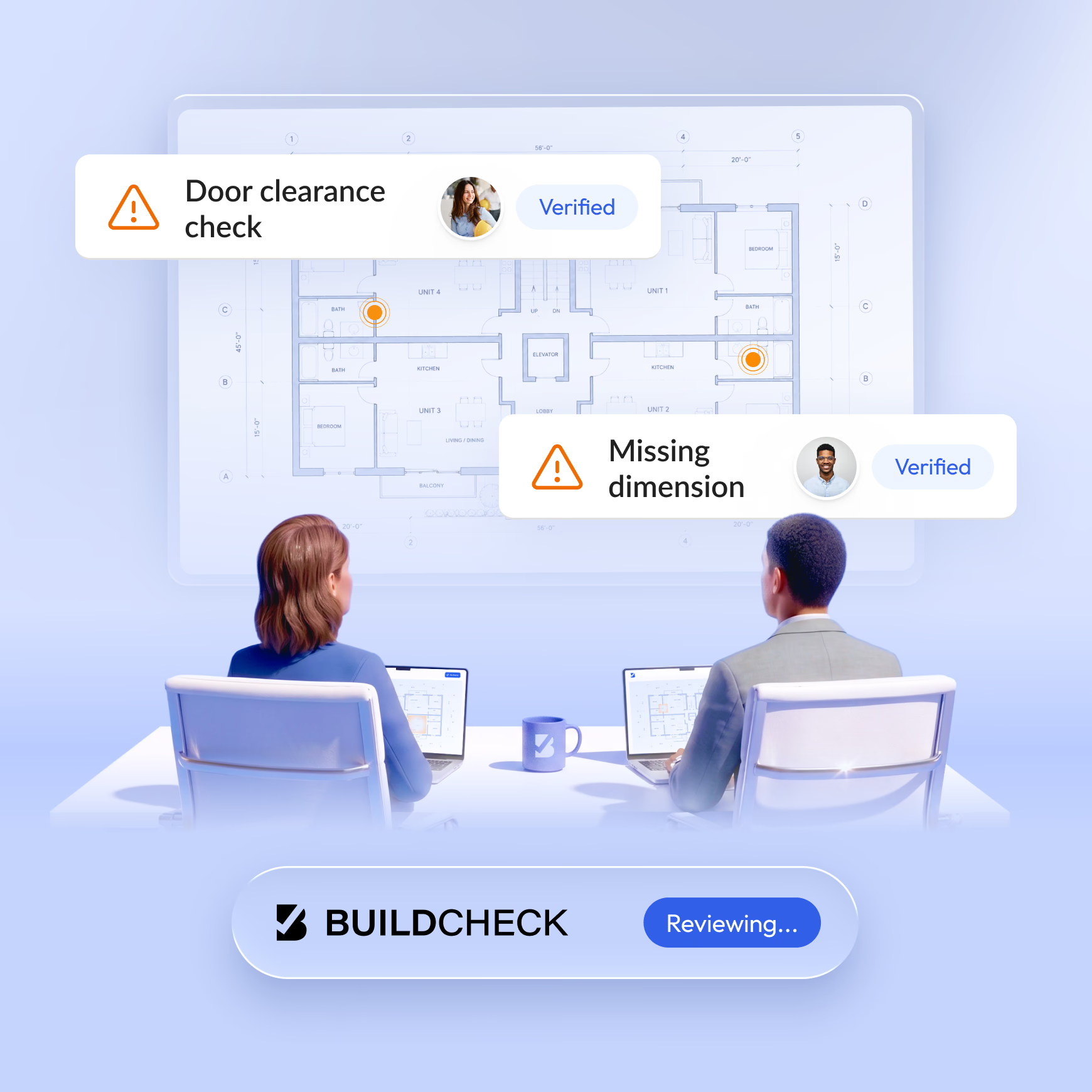
Verified by construction experts
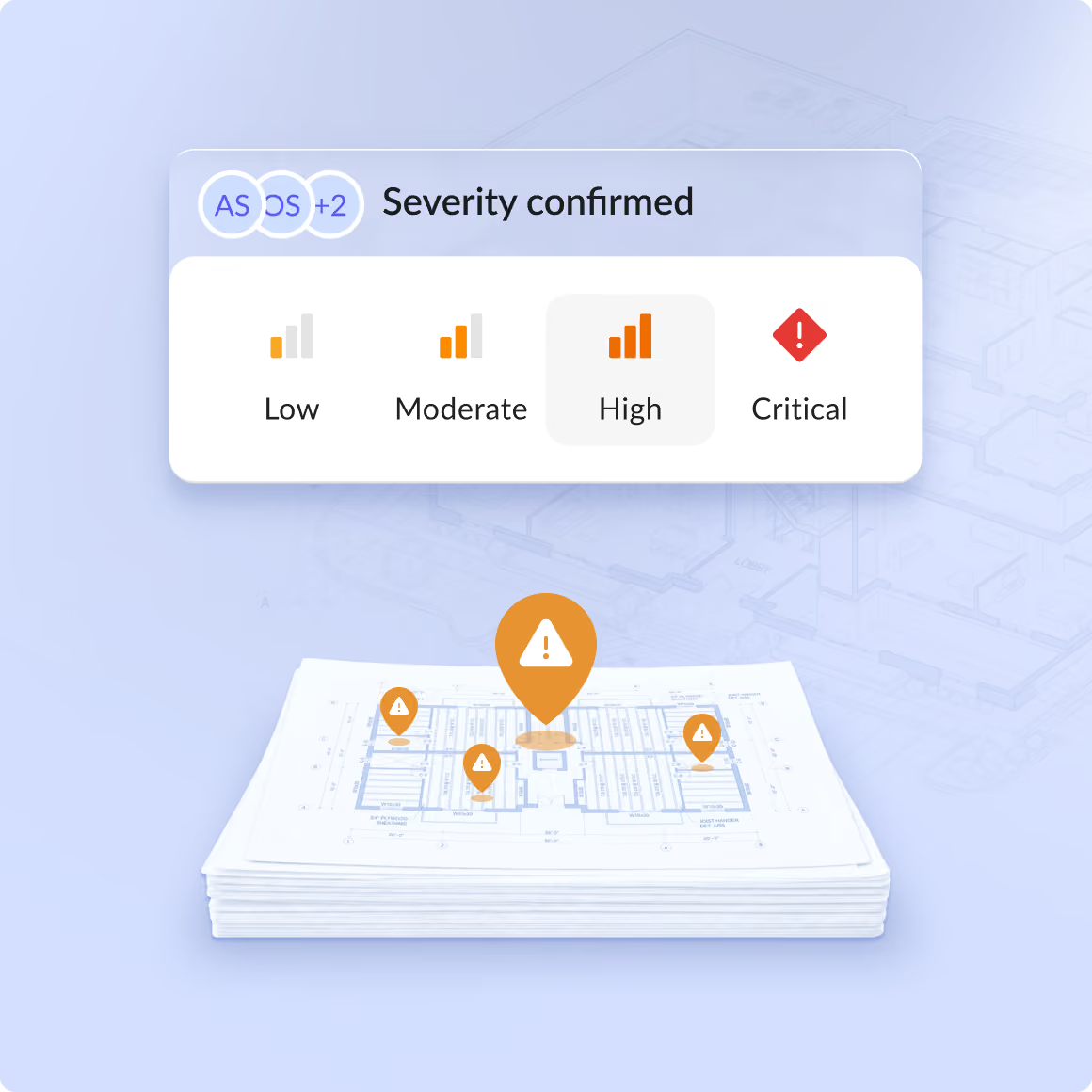
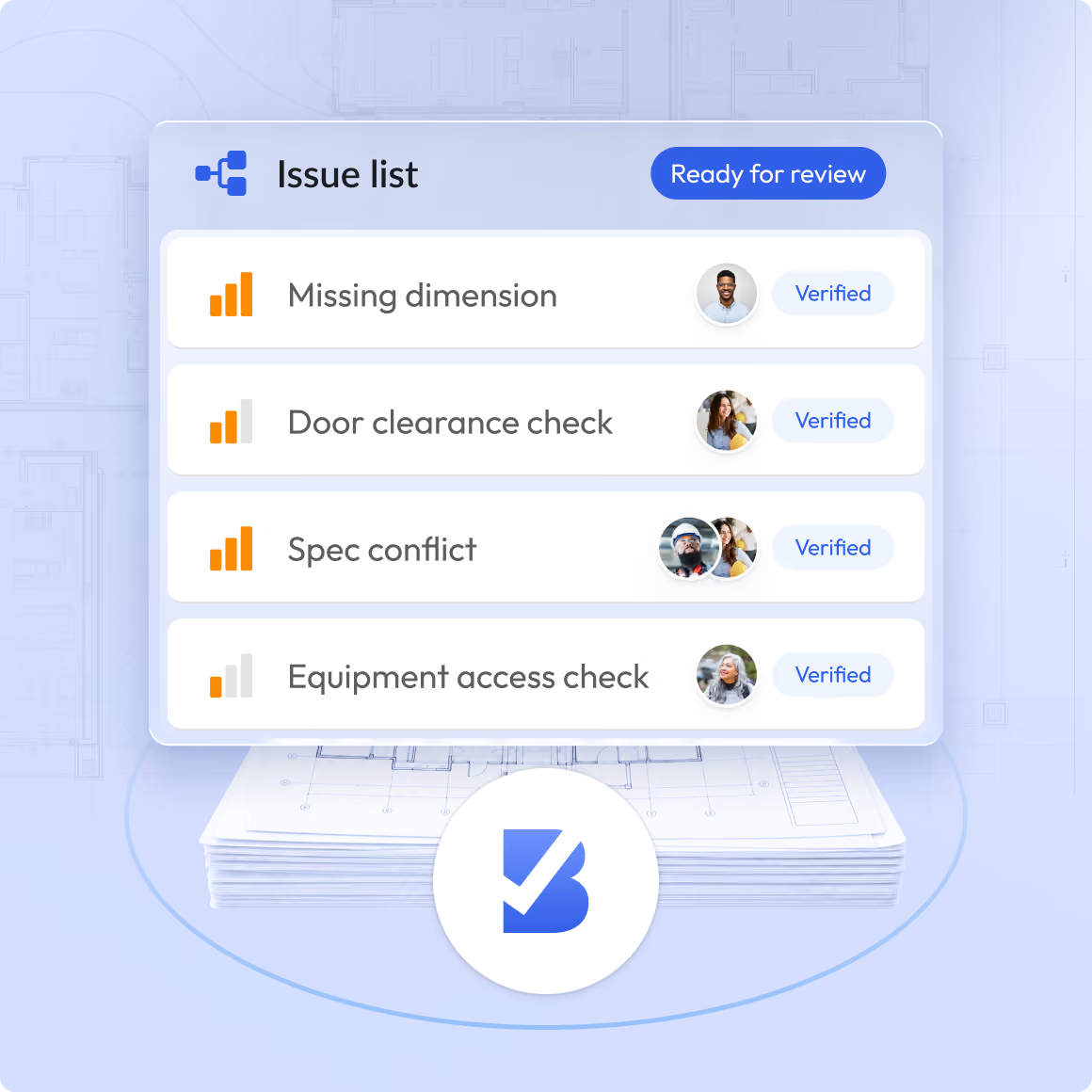
In-house experts review every AI output before it reaches the customer, confirming the issue is real and setting its severity.
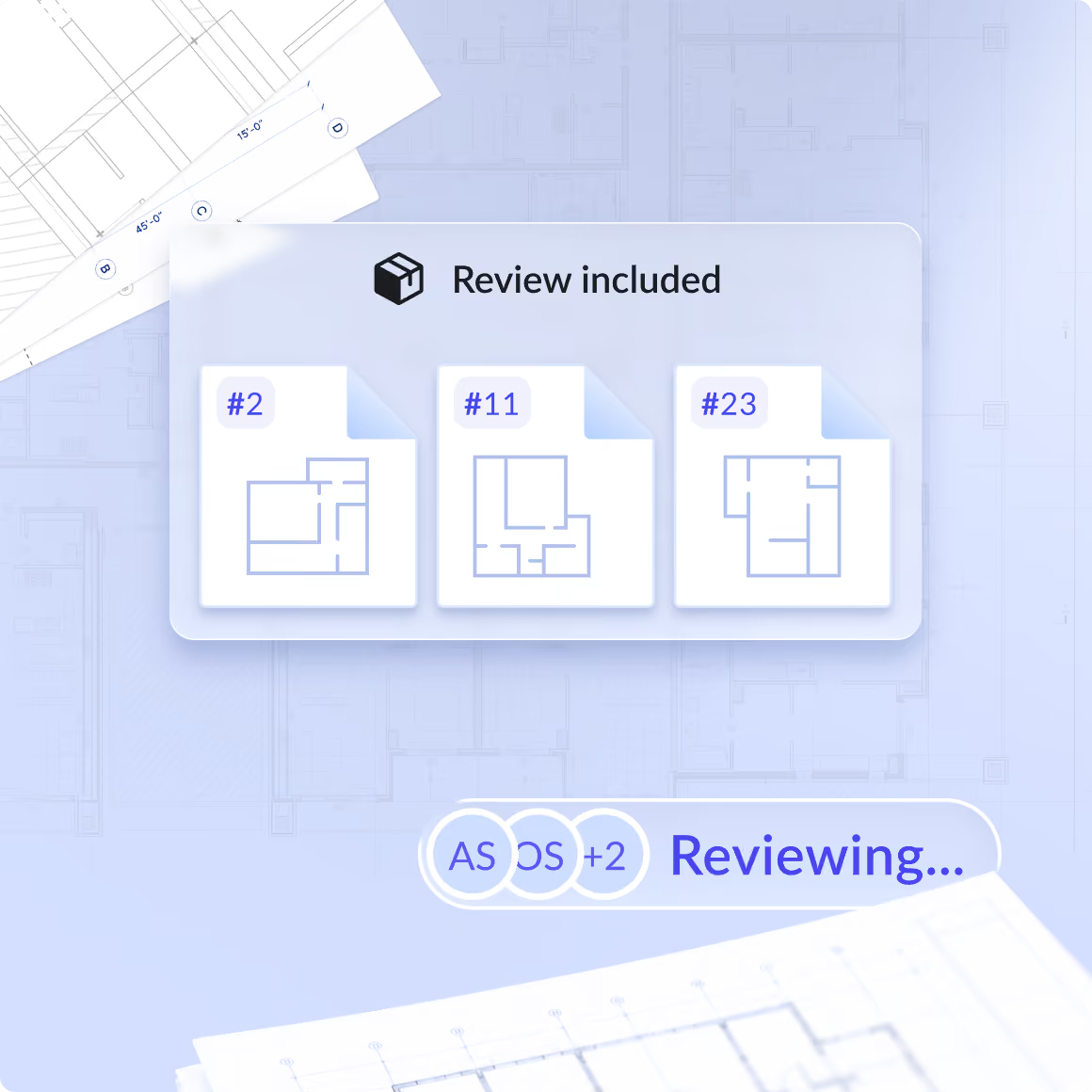
It's included on every review, not a paid add-on.
It's the reason teams get a short list of meaningful issues instead of a thousand indiscriminate flags.