Catch +50% more relevant issues than traditional manual reviews
Join dozens of firms across the country using Buildcheck
June 19, 2025
10
min read
Fitzrovia catches 72 issues across three high-rise towers
In high-rise construction, design coordination errors compound with every floor. A fire rating discrepancy on level 2 becomes 40 identical problems by the penthouse.
We ran Buildcheck during construction, and some of the flagged issues were already in RFIs from sub-trades. I wish we had come across Buildcheck earlier and are definitely looking forward to using it for future jobs.
Roman Zuborev
Project Manager, Digital Construction
Fitzrovia
Overview
Buildcheck detected 72 issues across architectural, structural, and MEP systems — intercepting conflicts that would have cascaded into inspection failures, rework, and delayed lease-up across this development.
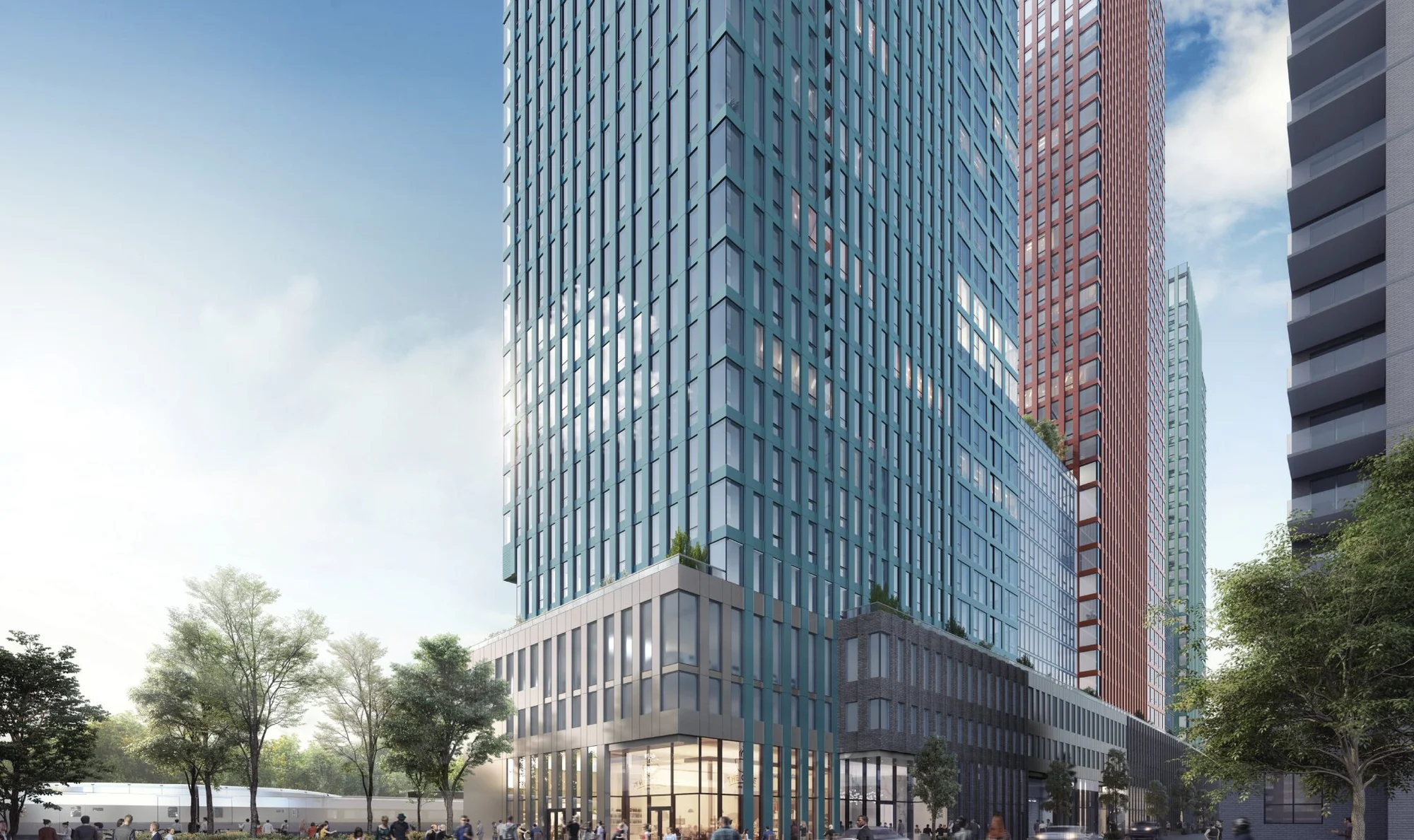
The project was 6 Dawes Road in Toronto. Fitzrovia is a Toronto-based developer focused on purpose-built rental housing. Working with best-in-class design teams, Fitzrovia builds transit-oriented communities pursuing LEED Platinum, Passive House, and Zero Carbon Building standards. By partnering with Buildcheck, Fitzrovia is embracing AI-powered solutions to ensure design quality matches the premium standard their residents expect.
Challenge
A three-tower, shared-podium high-rise residential development in Toronto, with design coordination errors compounding across 40+ floors. Time-to-market was tight, with design reviews pushed for on-site resolution — and element-by-element manual checking is tedious and difficult to staff consistently.
{{feedback-1}}
Solution
Buildcheck transformed Fitzrovia’s design review process by automating detection of errors, omissions and inconsistencies across all drawings; centralizing collaboration between project stakeholders in a single, intuitive platform; standardizing workflows to ensure consistent quality regardless of project complexity; and accelerating approvals by reducing review cycles and eliminating redundant meetings.
{{feedback-2}}
Where the value materialized
Death by a thousand cuts is not new for residential high-rise construction. Time-to-market is tight, and design reviews & issue detection get pushed for on-site resolution. Continuously checking every single element on the drawing is extremely tedious, and very few people want to do it. It should be done by a computer.
Ali Argynbay
Sr. Manager, Digital Construction
Fitzrovia
Buildcheck offered an automated solution for issue detection and flagged a variety of issues ranging from missing tags & specifications for finish materials to missing openings in concrete.
Ali Argynbay
Sr. Manager, Digital Construction
Fitzrovia
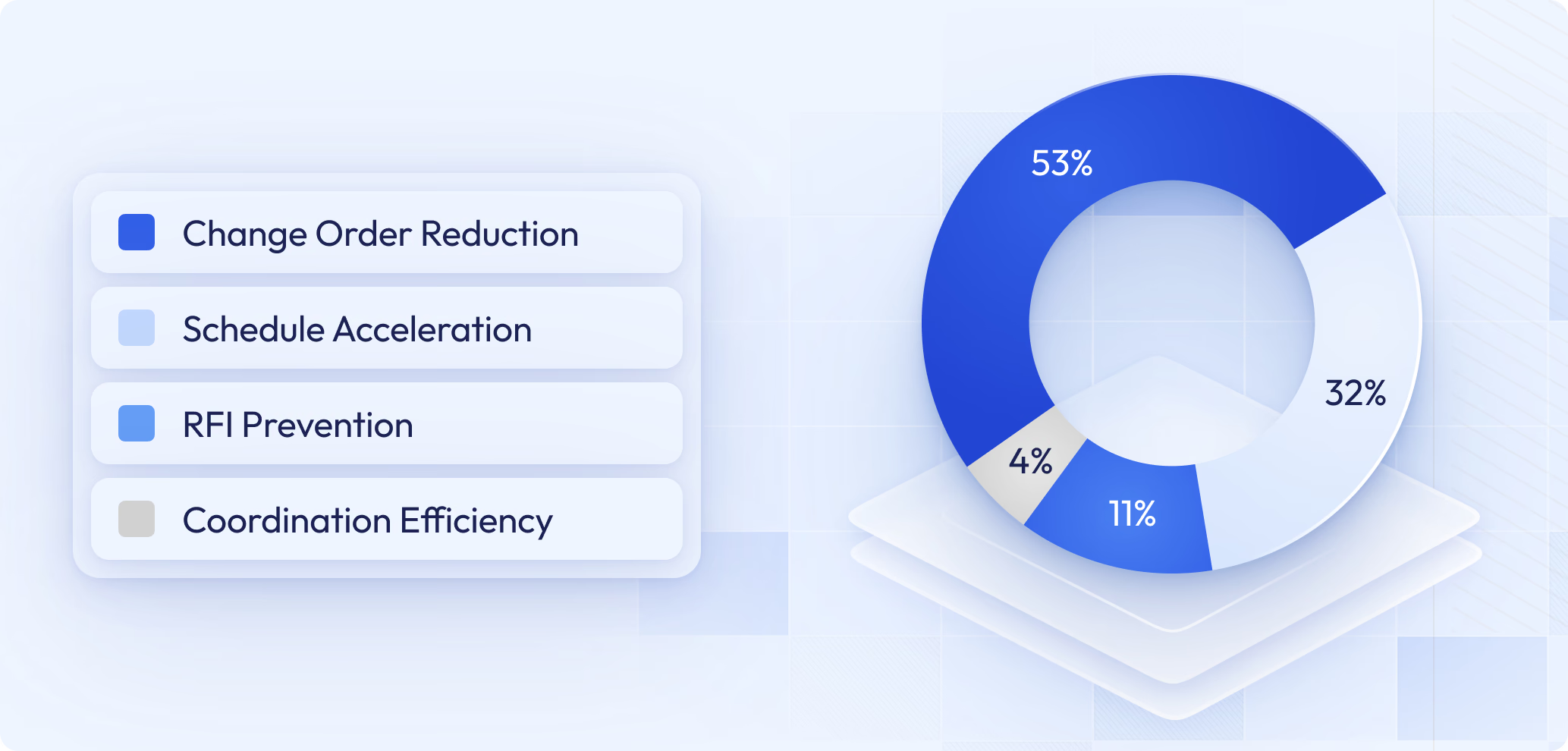
Change order reduction
53
%
Critical coordination conflicts between architectural and structural drawings were resolved before construction, preventing expensive mid-construction modifications. These conflicts would have triggered change orders once discovered in the field.
Example:
Identified wall opening inconsistencies and slab opening discrepancies between architectural and structural plans, as well as duct and plumbing riser clashes that would have required extensive rework of building systems.
Schedule acceleration
32
%
Buildcheck identified fire rating discrepancies between architectural documentation and life safety plans that would have triggered municipal inspection failures. These issues could have delayed certificate of occupancy, postponing lease-up and initial rental income.
Example:
Detected walls tagged as 1-hour fire rated per construction assembly details where the fire separation plan indicated 2-hour fire barrier requirements, as well as instances where wall fire ratings exceeded the separation requirements shown — inconsistencies that would have required resolution before passing life safety inspections.
RFI Prevention
11
%
Missing dimensions and incomplete documentation would have generated RFI cycles during construction. By identifying these gaps early, Fitzrovia avoided delays from field clarifications.
Example:
Detected missing door placement dimensions and absent duct sizing information that would have required numerous contractor queries during installation.
Coordination efficiency
4
%
MEP coordination issues were identified across mechanical plans, including missing diffuser tags and sizing references. Resolving these issues proactively reduced the need for coordination meetings.
Example:
Caught missing diffuser tags and size references across floor plans that would have required back-and-forth between mechanical consultants and the construction team.
Impact
For the Fitzrovia project, Buildcheck delivered approximately $720 in value per sheet reviewed. Extrapolating across Fitzrovia’s annual design review volume, this represents over $2,882,000 in calculated savings.
These figures represent conservative estimates confirmed by Fitzrovia’s construction personnel. Not quantified: reduced warranty claims, enhanced team efficiency, and the compounding value of systematic quality assurance across multiple projects.